A 3.2V LiFePO4 battery cell (also called a 3.2 volt lithium battery or 3.2V lithium prismatic cell) is one of the most widely used battery formats for energy storage, solar systems, RVs, EVs, and custom battery packs.
Compared with traditional lithium-ion chemistries, lithium iron phosphate (LiFePO4) offers better thermal stability, longer cycle life, and improved safety. That’s why 3.2V LiFePO4 battery cells are commonly used in applications where reliability matters most.
In this guide, we reviewed 10 popular 3.2V LiFePO4 battery options based on capacity, cycle life, pricing, use case, and overall value—so you can choose the right battery for your project.
Some manufacturers included in this list are battery suppliers and OEM/ODM providers. Our goal is to keep this comparison neutral and practical by evaluating each product using the same criteria: specifications, pricing, cycle life, application fit, and limitations.
Part 1. How we tested
We evaluated these 3.2V LiFePO4 battery cells using five consistent criteria:
1. Capacity & Performance
We compared usable capacity (Ah), discharge stability, and suitability for high-demand applications like solar storage, off-grid systems, EVs, and backup power.
2. Cycle Life
Longer cycle life means better long-term value. We reviewed manufacturer specifications and compared batteries rated from 2,000 to 5,000+ cycles.
3. Price-to-Value Ratio
We looked at whether the battery offers strong value for its price—not simply the cheapest option.
4. Build Quality & Certifications
We considered manufacturer reputation, consistency, and whether the brand is commonly used in industrial or energy storage applications.
5. Practical Limitations
We also included honest drawbacks such as lack of BMS, higher weight, limited consumer availability, or premium pricing.
This guide focuses mainly on individual prismatic LiFePO4 cells rather than fully assembled battery packs.
Part 2. 3.2V LiFePO4 battery quick comparison table
| Product | Best For | Key Features | Price Range | Pros | Cons |
|---|---|---|---|---|---|
| CATL 100Ah | DIY battery packs | 100Ah, lightweight, strong reputation | ~$80 | Affordable, trusted brand | No BMS |
| Ufine 160Ah | OEM customization | Customizable, 160Ah, OEM/ODM | Quote-based | Flexible design options | No public pricing |
| EVE LF105 | Balanced performance | 105Ah, 3,500 cycles | ~$40 | Excellent value | Requires external BMS |
| CALB CAM72 | Solar + RV systems | 72Ah, durable prismatic cell | ~$100 | Reliable for storage | Lower capacity |
| K2 Energy | Premium applications | High-quality build, lead-acid replacement | ~$315 | Strong performance | Expensive |
| Sinopoly 100Ah | Backup power | 100Ah, stable performance | ~$72 | Good balance of specs | Compare pricing carefully |
| Winston 100Ah | Long lifespan | Up to 5,000 cycles | ~$160 | Excellent longevity | Heavier and pricier |
| ExpertPower 304Ah | High-capacity storage | 304Ah, 4,000 cycles | ~$129 | Huge capacity value | Heavy |
| Gotion 100Ah | Budget-friendly builds | 100Ah, 3,000 cycles | ~$46 | Affordable | Less premium brand recognition |
| Lishen 272Ah | Large energy systems | 272Ah, 3,500 cycles | ~$109 | High capacity | Limited direct retail access |
Part 3. 3.2 Volt LiFePO4 battery overview
LiFePO4 is the most advanced form of battery and is very popular due to its superior thermal and chemical stability. The battery can manage the heat very well and does not suffer thermal runaway. Additionally, LiFePO4 batteries have a longer cycle life, more than 2,000 cycles, and maintain a stable discharge voltage. All of these features of the 3.2 volt LiFePO4 battery make it highly efficient for various applications.
Key Benefits of 3.2 Volt LiFePO4 Battery:
- Safety: Reduced risk of fire and explosion.
- Longevity: Extended cycle life compared to other lithium-ion batteries.
- Efficiency: High discharge and charge efficiency.
- Stability: Consistent performance even under high loads.
- Environmental Impact: Less toxic and more environmentally friendly materials.
Part 4. Top 10 best 3.2V LiFePO4 battery cells
1. CATL 3.2 Volt LiFePO4 Battery
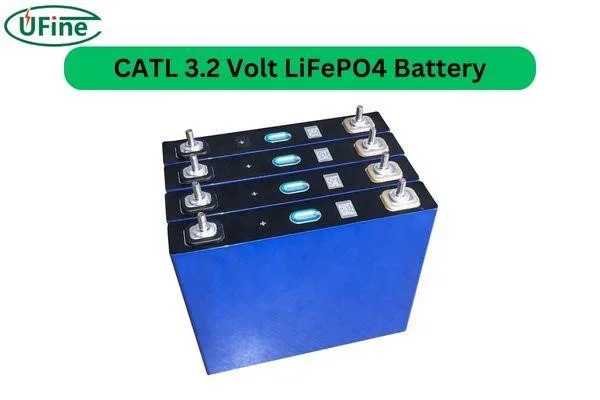
- Brand: CATL
- Price: $80
- Capacity: 100Ah
- Voltage: 3.2V
- Dimensions: 200 x 172 x 33.22 mm
- Weight: 2.7 Kg
- BMS: No
CATL is one of the world’s largest and most established lithium battery manufacturers, widely trusted in EV and energy storage industries. Its 100Ah 3.2V LiFePO4 prismatic cell is a strong choice for users building custom battery packs for solar systems, RVs, off-grid setups, and backup power applications. The cell offers a good balance of affordability, stable discharge performance, and proven long-term reliability. However, because it does not include a built-in BMS, users need proper battery management and pack design to ensure safe operation. For experienced DIY builders and system integrators, CATL remains one of the safest and most practical choices.
2. EVE LF105 3.2 Volt LiFePO4 Battery
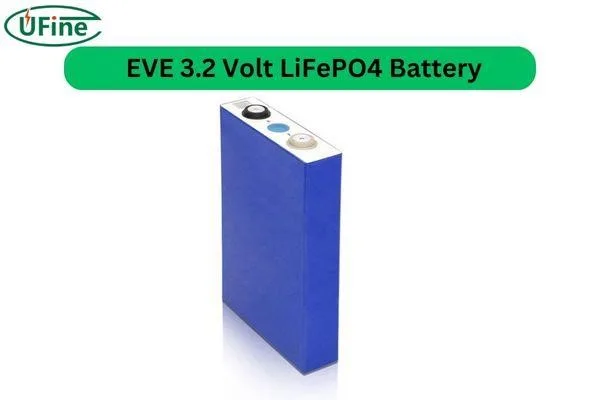
- Brand: EVE Energy
- Price: $39.90
- Capacity: 105Ah
- Voltage: 3.2V
- Dimensions: 200.5 ×130.3×36.7mm
- Weight: 1.9 kg
- Cycle Life: 3,500
The EVE LF105 is often considered one of the best-value 3.2V LiFePO4 cells available because it combines strong performance with highly competitive pricing. With 105Ah capacity, approximately 3,500 cycle life, and relatively low weight, it works well for DIY battery packs, home solar storage, RV systems, and backup power applications. Its lightweight design also makes installation easier compared to heavier large-format cells. Like most prismatic cells, it requires an external BMS for safe pack assembly. For buyers looking for the best balance between cost, lifespan, and reliability, EVE remains one of the most recommended options.
3. CALB CAM72 3.2 Volt LiFePO4 Battery
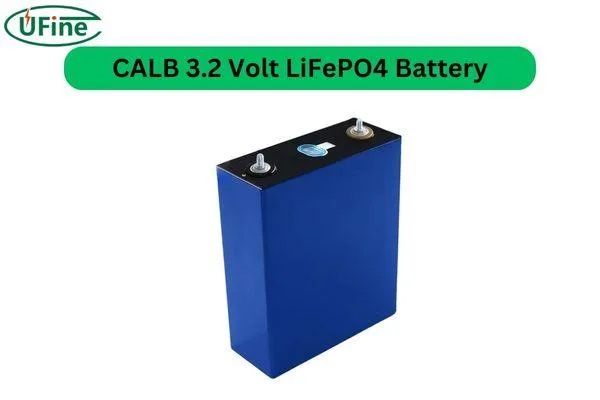
- Brand: CALB
- Price: $100.80
- Capacity: 72Ah
- Voltage: 3.2V
- Dimensions: 165 x 30 x 221 mm
- Weight: 1,9 kg
- Cycle life: 2,000
CALB has a strong reputation in industrial battery manufacturing, particularly for solar storage and transportation applications. The CAM72 model is designed for users who prioritize safety, durability, and stable cycling performance over maximum capacity. Its 72Ah size makes it suitable for medium-power systems such as RV power setups, solar backup systems, and small off-grid battery banks. Because the capacity is lower than many 100Ah+ alternatives, users may need more cells to reach larger storage goals. Still, for applications where consistency and safety are more important than compact high capacity, CALB remains a dependable option.
4. Ufine 3.2 Volt LiFePO4 Battery
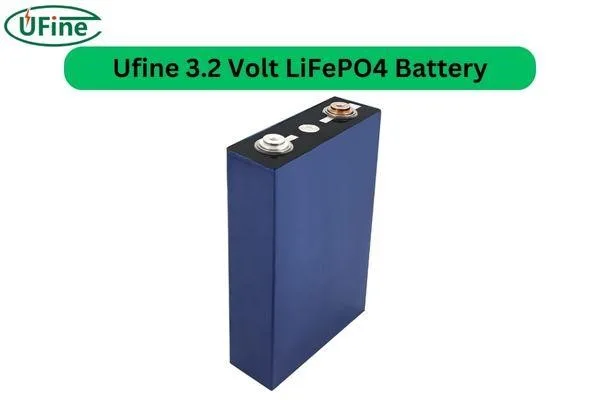
- Brand: Ufine Battery
- Price: This is a battery manufacturer. Contact us now for a quote.
- Capacity: 160Ah
- Voltage: 3.2V (nominal)
- Dimensions: 26 x 65 mm
- Weight: 2.8 kg
- Cycle Life: 2,000
Ufine is better suited for OEM buyers, wholesalers, and businesses that need customized lithium battery solutions rather than standard retail purchases. Its 160Ah 3.2V LiFePO4 battery offers solid cycle life, flexible pack design options, and support for series or parallel configurations depending on project requirements. The company’s OEM/ODM capabilities make it especially valuable for industrial applications, solar storage projects, and custom energy systems. Since pricing is quote-based and not publicly listed, it may be less convenient for individual buyers comparing direct costs. For commercial projects, however, Ufine offers strong flexibility and manufacturing support.
5. K2 Energy 3.2 Volt LiFePO4 Battery
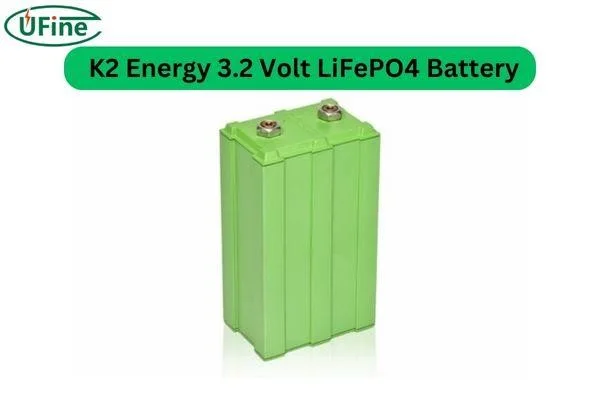
- Brand: K2 Energy
- Price: $315.00
- Capacity: 90Ah
- Voltage: 3.2V
- Dimensions: 165 x 30 x 221 mm
- Weight: 2.8 kg
- Cycle Life: 2,000
K2 Energy focuses on premium lithium battery solutions, particularly for mobility applications such as electric motorcycles, scooters, quads, and other electric vehicles. Its 3.2V LiFePO4 battery offers strong thermal stability, reliable discharge performance, and a safer alternative to traditional lead-acid batteries. The brand positions itself toward higher-end users who prioritize quality and application-specific reliability over budget pricing. However, at around $315 per cell, the upfront cost is significantly higher than many competitors with similar specifications. For users with strict performance requirements and larger budgets, K2 can be a worthwhile investment, but it is not the most cost-effective option for general energy storage.
6. Sinopoly 3.2V Lithium Prismatic Cell
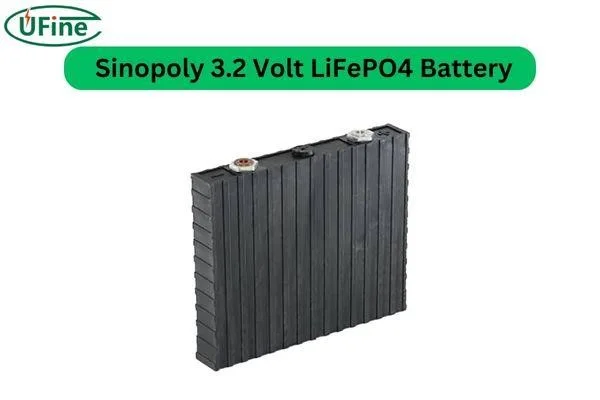
- Brand: Sinopoly
- Price: $71.89
- Capacity: 100Ah
- Voltage: 3.2V
- Dimensions: 173 x 48 x 207 mm
- Weight: 2.8 kg
- Cycle Life: 2,000
Sinopoly’s 100Ah LiFePO4 prismatic cell is a practical mid-range option for buyers looking for dependable performance without premium pricing. It is commonly used in EV conversions, backup power systems, solar storage banks, and other long-cycle applications where stability matters. The company provides detailed datasheets, which is helpful for technical buyers who need precise charging and discharge specifications before building battery packs. While its pricing is generally reasonable, costs can vary depending on distributors and regional availability. For users who want a balance between affordability, technical transparency, and reliable daily performance, Sinopoly is a solid choice.
7. Winston WB-LYP100AHA 3.2 Volt LiFePO4 Battery
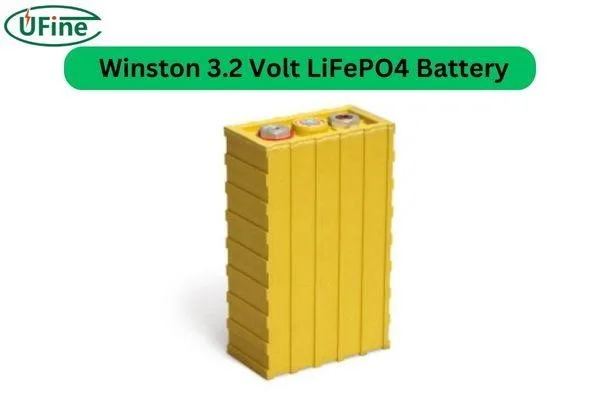
- Brand: Winston Battery
- Price: $160.00
- Capacity: 100Ah
- Voltage: 3.2V
- Dimensions: 218 x 143 x 67 mm
- Weight: 3.3 kg
- Cycle Life: 5,000
Winston Battery is widely recognized for producing long-life LiFePO4 cells designed for demanding environments and heavy-duty use. Its WB-LYP100AHA model stands out mainly because of its exceptional cycle life, often rated up to 5,000 cycles under proper operating conditions. This makes it especially attractive for solar storage systems, electric vehicles, marine systems, and other applications where long-term ownership cost matters more than upfront pricing. The battery is heavier and more expensive than many competitors, but the longer lifespan can offset those costs over time. For buyers focused on durability and maximum long-term value, Winston is often one of the strongest premium choices.
8. Expert Power 3.2V Lithium Prismatic Cell
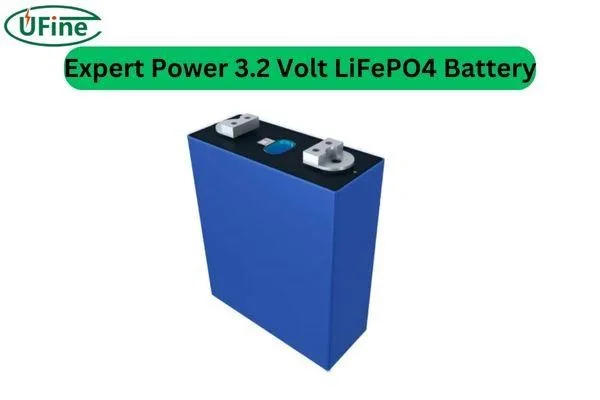
- Brand: Expert Power
- Price: $129.00
- Capacity: 304Ah
- Voltage: 3.2V
- Dimensions: 173 x 71.6 x 207.2 mm
- Weight: 5.5 kg
- Cycle Life: 4,000
ExpertPower’s 304Ah 3.2V LiFePO4 cell is designed for users who need significantly higher energy storage capacity in fewer cells. This makes it particularly attractive for large solar battery banks, whole-home backup systems, off-grid cabins, and commercial energy storage projects. Its high capacity helps reduce the total number of cells required during system design, which can simplify wiring and installation. However, the larger format also means significantly more weight and more careful structural planning during installation. For high-capacity energy storage projects where maximizing total usable power is the priority, ExpertPower offers strong overall value.
9. Gotion High-Tech 3.2 Volt LiFePO4 Battery
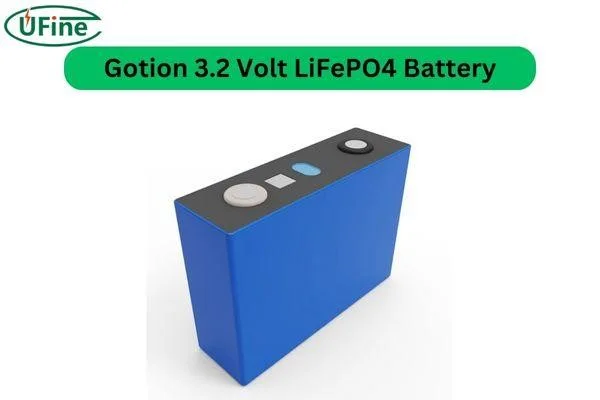
- Brand: Gotion High-Tech
- Price: $46.00
- Capacity: 100Ah
- Voltage: 3.2V
- Dimensions: 160 x 50 x 118.5 mm
- Weight: 3.1 kg
- Life Cycle: 3,000
Gotion has become increasingly popular as a cost-effective lithium battery manufacturer, especially for DIY builders and budget-conscious buyers. Its 100Ah 3.2V LiFePO4 battery offers a strong combination of affordability, practical cycle life, and sufficient capacity for many common applications such as RV systems, backup power, trolling motors, and small solar projects. While it may not carry the same premium brand recognition as CATL or EVE, it often provides very competitive value for entry-level builds. Buyers should still verify the source and authenticity when purchasing through third-party sellers. For affordable custom battery projects, Gotion is often one of the best low-cost options.
10. Lishen 3.2 Volt LiFePO4 Battery
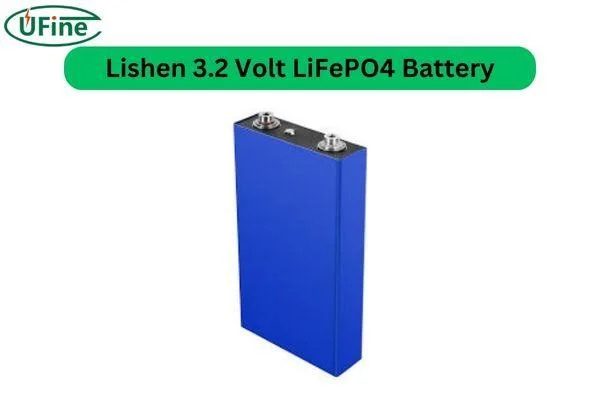
- Brand: Lishen
- Price: $109.00
- Capacity: 272Ah
- Voltage: 3.2V
- Dimensions: 173.8 x 71.45 x 200.4 mm
- Weight: 5.3 kg
- Life Cycle: 3,500
Lishen is a major global battery manufacturer known more for large-scale industrial supply than direct consumer sales. Its 272Ah 3.2V LiFePO4 cells are designed for high-demand applications such as electric vehicles, commercial energy storage systems, backup power infrastructure, and large off-grid solar installations. The high capacity makes it especially suitable for users building larger battery banks while minimizing the number of individual cells required. Since Lishen products are usually sold through distributors rather than direct retail channels, sourcing and warranty support may require additional attention. For serious energy storage projects that prioritize high capacity and industrial-grade manufacturing, Lishen remains a strong option.
Part 5. FAQs
Can I connect 3.2V LiFePO4 cells in series to make a 12V battery?
Yes. Four 3.2V LiFePO4 cells connected in series create a 12.8V nominal battery pack, which is commonly used for RVs, marine systems, solar storage, and backup power applications. Proper cell balancing and a compatible BMS are strongly recommended.
How do I know if a 3.2V LiFePO4 cell is genuine?
Check the supplier’s reputation, request the original manufacturer datasheet, verify QR codes or serial numbers when available, and compare weight and dimensions with official specifications. Buying from trusted distributors is the safest option.
Can 3.2V LiFePO4 batteries be used in cold weather?
Yes, but charging performance can decrease significantly in freezing temperatures. Most LiFePO4 batteries should not be charged below 0°C (32°F) unless they include low-temperature charging protection or built-in heating features.
Is it safe to mix old and new LiFePO4 cells together?
It is generally not recommended. Mixing cells with different ages, capacities, or internal resistance can cause balancing problems, uneven charging, and reduced overall battery performance. For best results, use matched cells from the same batch whenever possible.
Related Tags:

More Articles
Dead Battery or Device Failure? How to Find the Cause
Think your device is broken? Learn how to tell if the problem comes from battery aging or hardware failure before replacing your electronics.
Why iPhone Duo Uses Two Batteries: The Engineering Behind Foldable Phone Power
Why do foldable phones need two batteries? Explore the engineering challenges behind iPhone Duo’s dual-battery architecture and future battery trends.
Solid-State Batteries: 3 Myths You Need to Know
Solid-state batteries promise safer EVs and longer range, but the reality is more complex. Discover the challenges behind this next-gen technology.
Battery Capacity vs Discharge Rate: The Choice Engineers Face
Higher capacity or higher discharge rate? Learn how to choose the right LiPo battery for longer runtime, stable power output, and better device performance.
Battery Cable Size Guide: Choose the Right Wire Fast
Not sure what battery cable size you need? Learn how to select the right wire gauge, terminal size, and cable for safer, more efficient battery systems.